Level Sensors: Keys to Selecting the Right Option in Industrial Processes
From Omnielectric we provide the keys for the correct choice of level sensors. Level sensors are essential devices in industry for measuring the amount of liquid or solid present in tanks, silos, containers, and other applications. These sensors are classified into two main categories: Continuous and point-level.
Continuous level sensors:
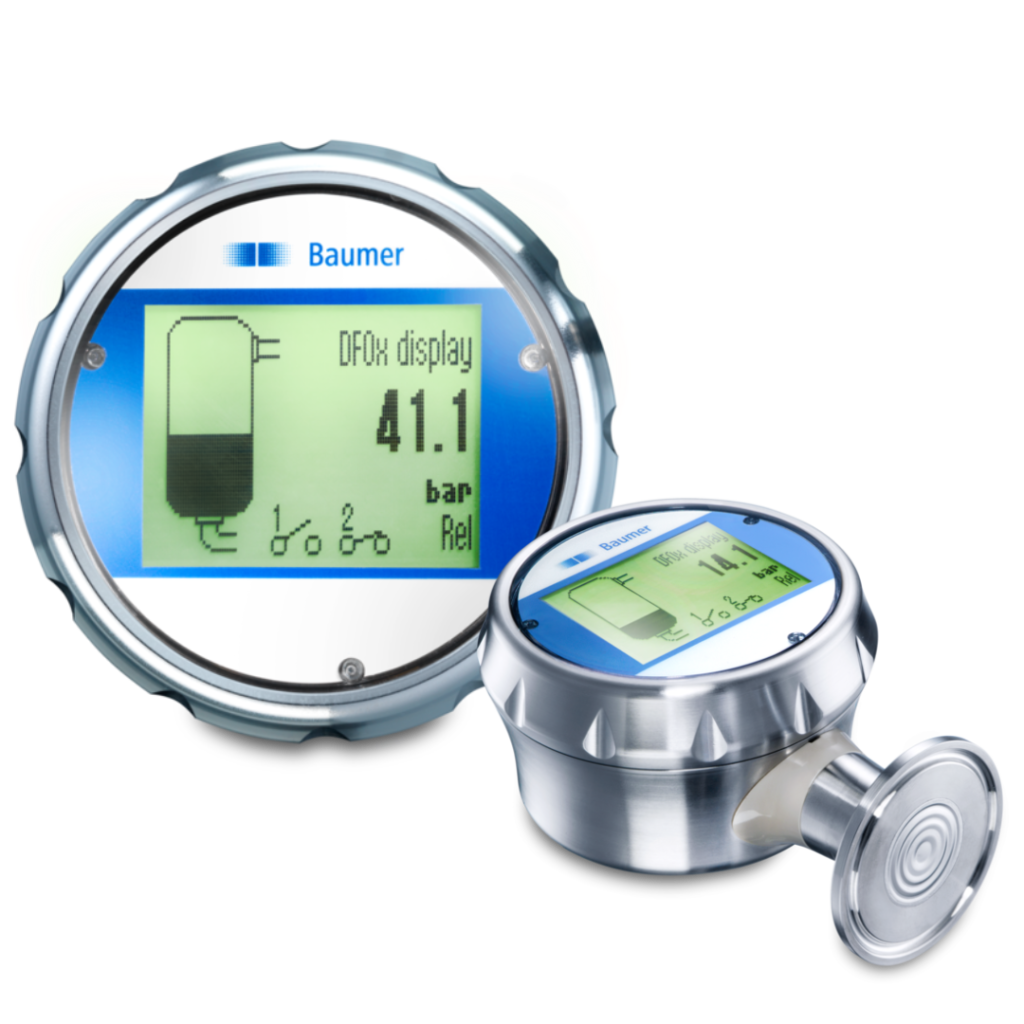
To provide a deeper understanding of continuous level sensors, it is useful to detail how they work, their advantages, and how their implementation can transform efficiency and accuracy in material monitoring across various industrial environments.
The continuous level sensors are designed to provide real-time measurements of the material level in a container, regardless of whether the material is liquid, granular, powder, or solid. They use different technology principles to achieve this.
Types of continuous level sensors
- Ultrasonics: They operate using sound waves that reflect off the surface of the material
- Hydrostatic pressure: They measure the pressure exerted by the liquid on a submerged sensor.
- Capacitive: They detect changes in electrical capacitance caused by the presence or absence.
- Radar: They emit radio pulses that reflect off the material and allow calculation of its distance.
Applications
- Safety and spill prevention
- Industrial process control
- Liquid storage
- Material dosing and mixing
Point level sensors:
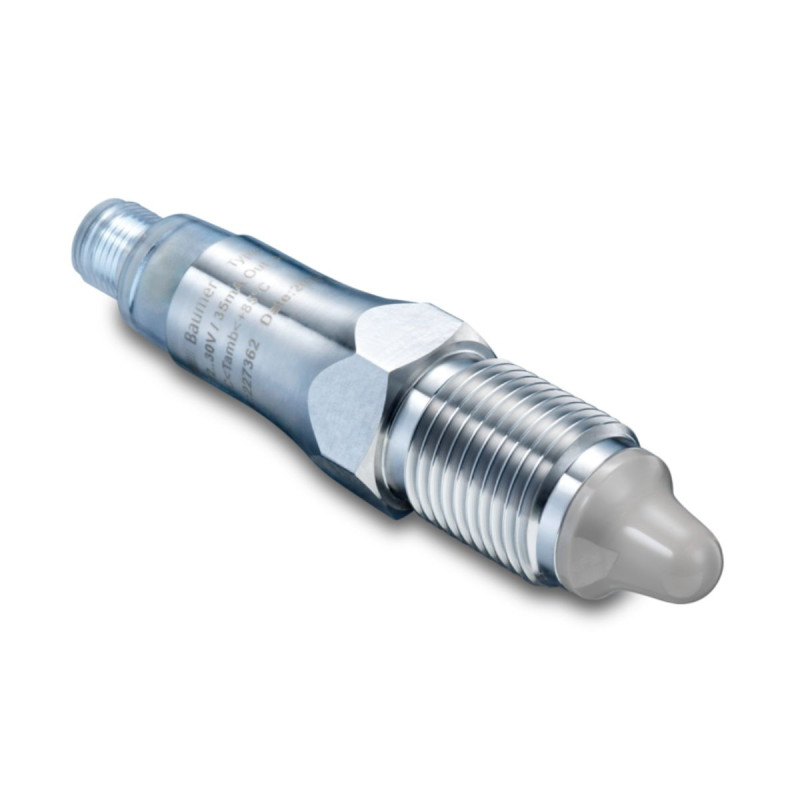
To fully understand the point level sensors, it is essential to explore how these devices are used to indicate the presence or absence of material at a specific level inside tanks, silos or other containers. Unlike continuous level sensors, which provide constant measurements, point level sensors are designed to trigger a signal or action when the material reaches a specific point. Here is more about these sensors:
Types of point level sensors
- Floats: Detect the level of a liquid using a mechanical switch.
- Conductive: Work by detecting the electrical conductivity of the material.
- Optical: Use a light beam to determine the presence or absence of material
Applications
- Leak and overflow detection
- Alarm activation and safety systems
- Tank filling and emptying control
What type of level sensors to choose?
The choice of sensor type will depend on the specific needs of each application. Factors to consider include:
- Required accuracy
- Type of material to measure
- Environmental conditions
- Measurement range
- Available budget
Level sensors are essential tools for automation and control of industrial processes. The choice of the right type will depend on the specific needs of each application.
You can obtain the Baumer sensor linein our ecommerce www.ecommerceomnielectric.es or by contacting our technicians at